
A tight calf that will not release, a sore heel after a shift on your feet, or shin pain that keeps returning on a run can all leave you asking the same question: dry needling versus massage, which is the better option? The answer depends on what is driving your symptoms, how your muscles and joints are moving, and what you need to return to work, sport or daily life with confidence.
Both treatments can be valuable parts of lower-limb care. They are not interchangeable, and neither should be treated as a quick fix in isolation. A careful assessment helps identify whether muscular overload, reduced ankle mobility, poor foot mechanics, tendon irritation or another issue is keeping you in pain.
Dry needling versus massage: the key difference
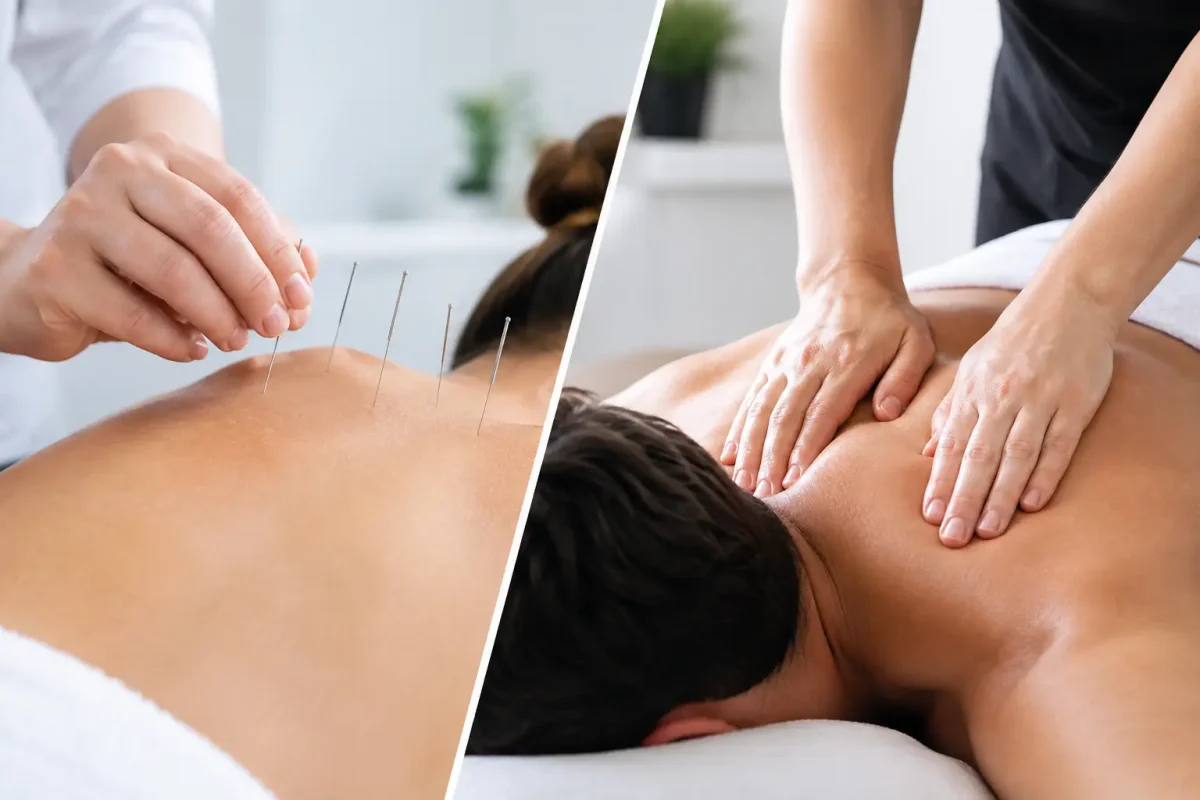
Dry needling uses a fine, single-use needle to target sensitive or overactive areas within a muscle, often called trigger points. These points can contribute to local pain, muscle guarding, restricted movement or pain felt elsewhere in the lower limb. For example, tight calf muscles may influence ankle movement and add strain through the Achilles tendon, plantar fascia or forefoot.
Massage uses hands-on pressure and movement to work through muscles and other soft tissues. Depending on the technique, it may focus on reducing muscle tension, improving tissue mobility, supporting circulation, easing post-exercise soreness or helping you feel more comfortable as you return to activity.
The main distinction is precision and depth. Dry needling can target a specific irritable point within a muscle. Massage works across a broader area and can address the way several muscles and soft tissues are responding together. In practice, many people benefit from a combination of both, alongside rehabilitation exercises and changes to training load, footwear or work habits.
When dry needling may be the right choice
Dry needling may be considered when a particular muscle remains tight, painful or difficult to activate despite stretching, massage or rest. It is commonly used as part of treatment for lower-limb concerns such as calf tightness, shin splints, hamstring or gluteal tension, plantar heel pain and some forms of knee pain.
A podiatrist may look for trigger points in the calf when you have ongoing Achilles discomfort or limited ankle bend. They may also assess muscles around the hip, thigh and lower leg when pain is affecting your walking or running pattern. The foot does not operate alone. A problem in the calf or hip can change how force travels through the ankle and foot with every step.
During treatment, you may feel a brief twitch response, dull ache or cramping sensation in the targeted muscle. This can be uncomfortable, but it should remain manageable and your clinician should explain what to expect. Mild soreness or a bruised feeling for one to two days is possible afterwards, particularly if the muscle was very sensitive before treatment.
Dry needling is not a treatment to push through without thought. It may not be suitable for everyone, including people with certain bleeding disorders, active infections, needle-related anxiety, some medical conditions or particular medication considerations. Let your clinician know about your health history, pregnancy, blood-thinning medication and previous reactions to needling before treatment begins.
When massage may be the better fit
Lower-limb sports massage can be particularly useful when several areas feel heavy, stiff or fatigued after training, a long day standing at work, or a change in activity. Rather than targeting one point, massage can help settle broader muscle tension through the feet, calves, thighs and hips.
For a runner building towards an event, massage may support recovery between sessions when the legs are generally tight but there is no single dominant trigger point. For someone who works in a warehouse, hospitality venue or healthcare role, it may help relieve the accumulated calf and foot fatigue that makes the walk from the car park feel harder than it should.
Massage also offers useful clinical information. Tenderness, tissue texture, restricted movement and the way symptoms change with pressure can guide a treatment plan. It should not be reduced to relaxation alone, although feeling calmer and more comfortable can be a meaningful part of recovery when pain has made movement stressful.
The trade-off is that massage may not always reach a deeply irritable point as directly as dry needling. It can also leave you temporarily sore if tissues are already sensitive. More pressure is not automatically better. The right approach matches the intensity of treatment to your condition, recovery stage and tolerance.
What neither treatment can do alone
Dry needling and massage can reduce pain and improve movement, but they do not correct every cause of lower-limb symptoms. If your calf tightness returns each week because your ankle mobility is limited, your footwear is unsuitable, your training has increased too quickly or your foot mechanics are placing excess load on one area, hands-on treatment alone may only provide short-lived relief.
This is why a good assessment matters. At Comfort Feet Podiatry Group, treatment can include a close look at walking and running mechanics, joint range of motion, muscle strength, footwear and activity demands. Where needed, 3D biomechanics analysis, custom orthotics, therapeutic ultrasound, shockwave therapy or neuromuscular rehabilitation may form part of a broader plan.
For example, someone with plantar heel pain may have tenderness in the sole of the foot, but the more useful question is why that tissue is overloaded. Reduced calf flexibility, a sudden increase in walking, worn shoes, prolonged standing or poor load control can all contribute. Releasing the calf may help, but strengthening, pacing activity and supporting the foot appropriately are often what make the improvement last.
Choosing treatment for common lower-limb problems
For acute muscle tightness after a hard training block, massage may be a comfortable starting point, especially when the whole leg feels fatigued. For a persistent, localised knot in the calf or gluteal muscle that is restricting movement, dry needling may be more appropriate.
With shin pain, it is essential to establish whether the issue is muscular overload, bone stress, tendon irritation or another condition before selecting treatment. Massage and needling can be useful for surrounding muscle tension, but neither should delay assessment of pain that is sharp, worsening, present at rest or highly localised over a bone.
For Achilles, heel or forefoot pain, the best option often depends on the contributing muscles and the health of the tendon or fascia. Dry needling may help calf-related tension, while massage may support comfort and mobility. Neither should replace a tailored loading programme when a tendon needs gradual strengthening.
If you have swelling, redness, numbness, sudden weakness, significant bruising, fever, night pain or difficulty bearing weight, seek prompt clinical assessment rather than booking a massage as a first step. These symptoms can point to an injury or medical issue that needs a different pathway.
What a treatment plan should feel like
A quality treatment plan gives you clarity, not just a temporary sense of release. You should understand what your clinician believes is causing the problem, why dry needling or massage has been recommended, what reaction is normal afterwards and what you can do between appointments.
That may include specific strength exercises, mobility work, advice on returning to running, changes to work footwear or guidance on modifying activity without stopping altogether. The goal is not to make you dependent on treatment. It is to reduce pain, restore confident movement and build the capacity to keep doing the things that matter to you.
The most helpful choice is rarely dry needling versus massage in isolation. It is the treatment that fits your diagnosis, your body and your goals, then supports you to move more freely long after the appointment ends.