
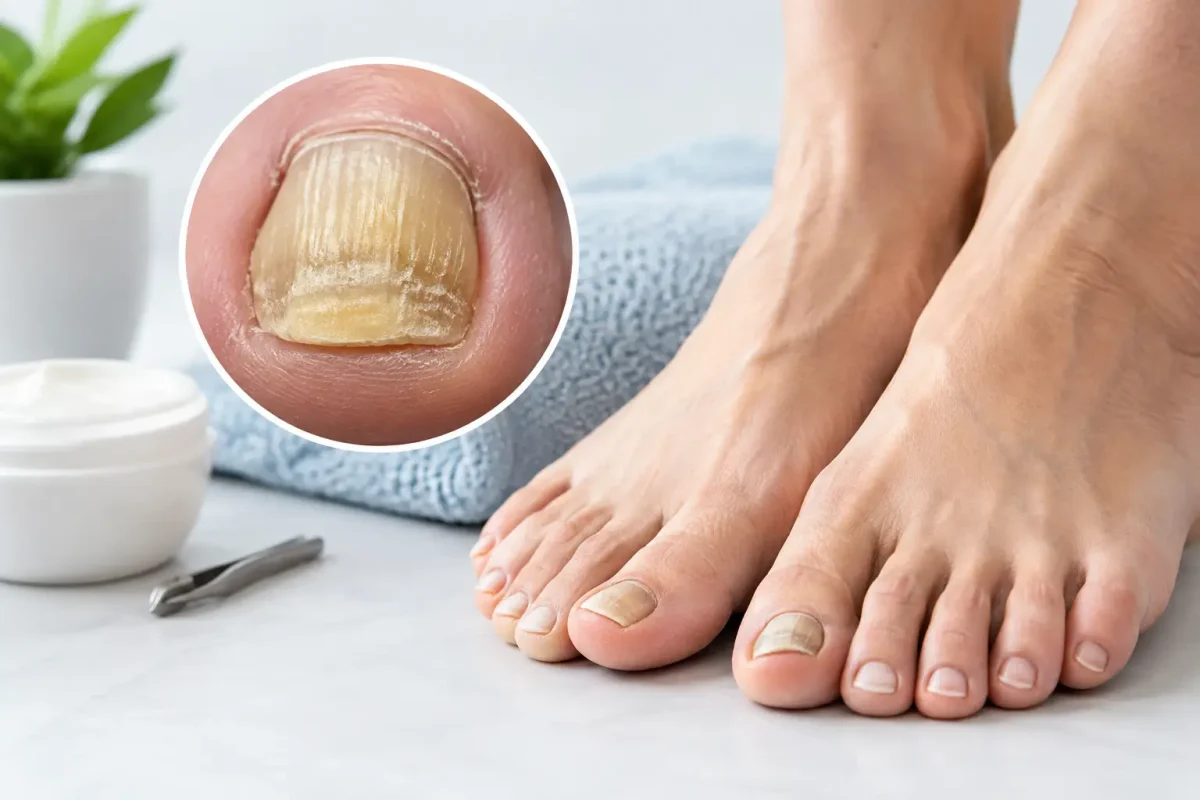
A toenail that has become yellow, hard to cut or noticeably thicker than the others can make everyday shoes uncomfortable. So, why do toenails thicken? The answer is not always fungus. Repeated shoe pressure, an old injury, skin conditions and changes that come with age can all alter how a nail grows. Identifying the cause matters because the right treatment can reduce discomfort, protect the surrounding skin and help you stay active.
Why do toenails thicken?
Toenails grow from the nail matrix, the tissue beneath the skin at the base of the nail. When this area is irritated, injured or affected by infection, it may produce nail cells unevenly or more rapidly. The result can be a nail that is thick, ridged, crumbly, discoloured or difficult to trim.
Some changes affect one nail, while others appear across several toes. A single thickened nail after stubbing your toe may have a very different cause from multiple thick, yellow nails that have changed gradually over months. This is why a clinical assessment is more useful than treating every thick nail as a fungal infection.
Common causes of thick toenails
Fungal nail infection
Fungal nail infection, also called onychomycosis, is one of the most common causes. Fungi thrive in warm, damp environments, which makes shoes, socks, public change rooms and pool areas favourable places for infection to spread. It often begins at the edge of the nail and can slowly cause yellow or white discolouration, thickening, brittleness and debris beneath the nail.
Athlete’s foot can increase the likelihood of a fungal nail infection, particularly when peeling or itchy skin between the toes is left untreated. However, a nail can look fungal without actually being infected. Nail samples may be needed in some cases to confirm the diagnosis before committing to a longer treatment plan.
Repeated pressure from footwear and activity
Your big toenails absorb plenty of pressure when you walk, run, hike or play sport. Shoes with a shallow toe box, work boots, tight football boots or footwear that allows the foot to slide forward can repeatedly compress the nail. Over time, that pressure can cause the nail to thicken as a protective response.
Runners and court-sport athletes may notice this after periods of increased training, especially if the nails are long or the shoe fit has changed. Thick nails caused by mechanical pressure are not contagious, and antifungal products will not correct the underlying problem. Nail care, footwear assessment and addressing the way the foot functions can make a meaningful difference.
Previous injury or bleeding beneath the nail
A dropped object, a forceful stubbed toe or repeated impact at the front of a shoe can damage the nail matrix. Sometimes there is immediate pain and dark blood beneath the nail. At other times, the injury seems minor but the new nail grows back thicker, ridged or distorted months later.
Toenails grow slowly, particularly the big toenail. It can take 12 months or longer for a damaged nail to fully grow out. If the growth centre has been permanently affected, some thickening or irregularity may remain. A podiatrist can safely reduce the bulk of the nail and check for pressure points, infection or an ingrown edge.
Ageing and reduced circulation
It is common for nails to become harder, slower growing and thicker with age. Reduced flexibility in the nail plate, lower levels of activity, difficulty reaching the feet and circulation changes can all contribute. This does not mean thick nails should simply be ignored. Thickened nails can press into neighbouring toes, cause soreness in shoes and increase the risk of skin breaks when trimming goes wrong.
For people managing diabetes, reduced sensation, vascular disease or limited mobility, professional nail care is particularly valuable. Even a small cut around the nail can become more serious when healing is compromised.
Skin conditions and other health factors
Psoriasis, eczema and other inflammatory skin conditions can affect the nails as well as the skin. Psoriatic nail changes may include thickening, pitting, lifting from the nail bed and a build-up of material under the nail. These signs can resemble a fungal infection, and sometimes both conditions occur together.
Less commonly, thickened nails can be linked with changes in circulation, certain medicines or other medical conditions. A podiatrist may recommend speaking with your GP when the pattern of nail change suggests a broader health issue.
Signs you should not ignore
A thick nail is not always painful, but pain is often a sign that pressure, infection or an ingrown nail edge needs attention. Arrange an assessment if you notice redness, swelling, discharge, bleeding, a foul smell or increasing tenderness around the nail. Sudden dark pigmentation that does not grow out with the nail, or a new dark streak, should also be assessed promptly.
Do not try to cut a very thick nail down with household clippers, scissors or a blade. The nail can split, the surrounding skin can be cut, and forceful trimming may worsen an ingrown toenail. This is particularly risky if you have diabetes, poor circulation or reduced feeling in your feet.
How thick toenails are treated
Treatment depends on what is causing the thickening. At Comfort Feet Podiatry Group, assessment starts with the nail itself, the surrounding skin, your footwear and relevant medical history. Looking at the bigger picture helps distinguish a recurring fungal problem from ongoing shoe pressure, trauma or a skin condition.
For a thick nail, conservative care may involve reducing and smoothing the nail safely to relieve pressure in footwear. This can make walking more comfortable straight away, although it does not remove the cause on its own. If fungal infection is likely, treatment may include topical antifungal therapy, oral medication prescribed by a doctor where appropriate, or a combined approach. Oral treatments can be effective for some people but are not suitable for everyone, so individual medical history and potential side effects need consideration.
When repetitive pressure is contributing, the solution may include changing shoe fit, choosing a deeper toe box, keeping nails at an appropriate length or addressing foot mechanics. For active people, a podiatry assessment can identify whether toe position, running technique, training load or footwear wear patterns are placing excess stress on the nail. In some cases, custom orthotics or targeted lower-limb care may help reduce the forces contributing to repeated trauma.
If an ingrown edge is causing pain, the podiatrist can remove the offending nail section and discuss options to prevent recurrence. A nail that is severely damaged, persistently painful or repeatedly infected may need more specific management.
Can you prevent toenails from thickening?
Not every cause is preventable, especially after injury or with age-related change. However, practical habits can lower the risk of fungal infection and repetitive nail trauma. Dry carefully between the toes after bathing, change socks after exercise, wear breathable footwear and use thongs in communal wet areas. Treat athlete’s foot early rather than waiting for it to spread to the nails.
Keep toenails trimmed straight across and avoid cutting them too short at the corners. Choose shoes with enough length and depth for your toes, especially for long shifts on your feet or sport. If your toenails regularly hit the front of your shoes, do not dismiss it as normal. It is a sign that your footwear fit or foot support may need attention.
A thickened toenail can seem like a small concern until it makes every step, work boot or run less comfortable. Early podiatry care can safely reduce painful pressure, clarify the cause and give you a practical plan to keep moving with confidence.