
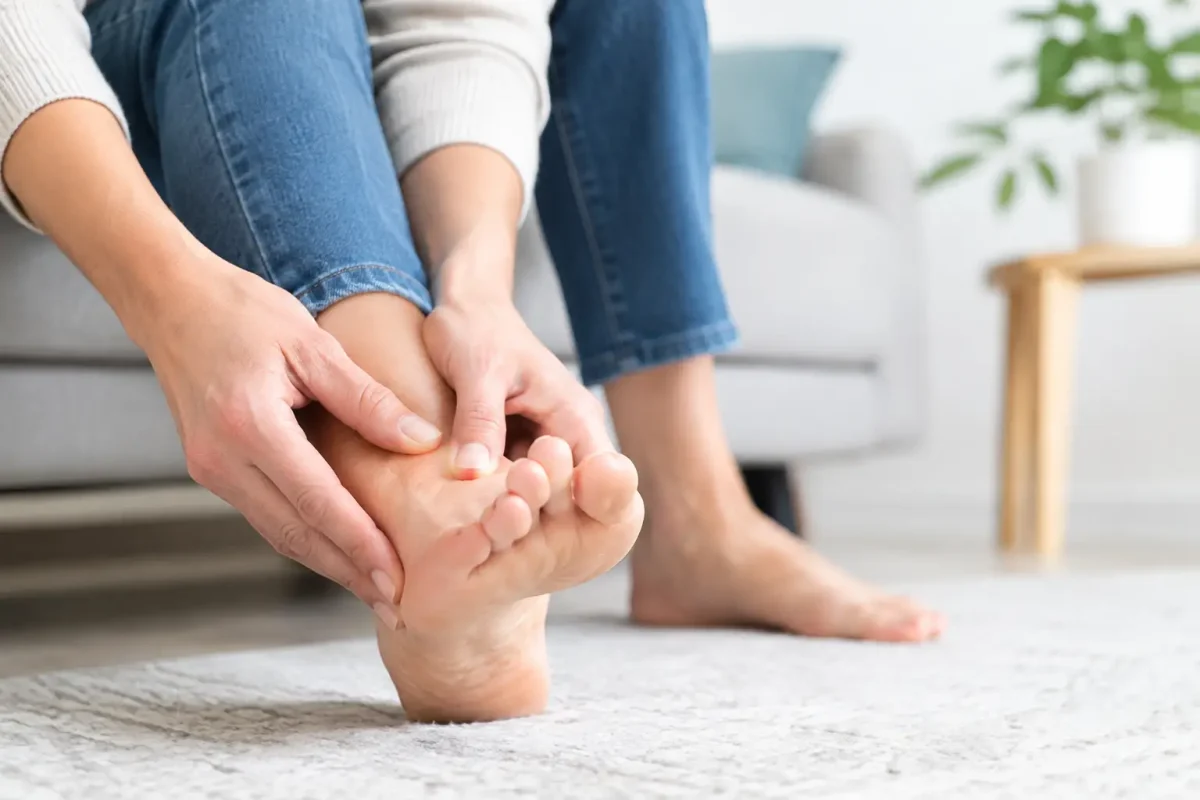
A toe that feels numb, tingly or strangely dull can make every step feel uncertain. You may notice it after a long shift, a run, wearing narrow shoes, or seemingly for no clear reason. So, what causes toe numbness? Often it is pressure or irritation affecting a nerve in the foot, but persistent numbness can also point to an issue higher up the leg or a health condition that needs proper assessment.
Numbness is not simply a foot sensation to put up with. It changes the feedback your body receives from the ground, which can affect balance, walking comfort and confidence in sport. Identifying the source early gives you a better chance of relieving symptoms and returning to comfortable, active movement.
What causes toe numbness?
Your toes are supplied by small nerves that travel through the foot, ankle and lower leg. Numbness happens when a nerve is compressed, irritated or damaged, or when its blood supply is affected. The location matters: numbness in the outer toes has different common causes from numbness between the third and fourth toes, or numbness that travels down from the back.
A detailed podiatry assessment looks beyond the toe itself. Your footwear, foot shape, walking pattern, activity levels, lower-limb strength and medical history can all provide useful clues.
Tight footwear and local pressure
Shoes with a narrow toe box, firm seams or a tight upper can squeeze the toes and forefoot. High heels shift body weight forward, increasing pressure beneath the ball of the foot and around the digital nerves. Sports boots, work boots and cycling shoes can do the same when they are too small, overly tight or laced firmly across a sensitive area.
A temporary pins-and-needles feeling that eases once shoes are removed may be footwear-related. However, repeated compression can keep the nerve irritated long after you take the shoe off. Swelling after exercise, pregnancy or a hot day can make footwear that normally feels fine suddenly feel restrictive.
Morton’s neuroma
Morton’s neuroma is one of the more recognised causes of numbness, burning or tingling in the toes. It involves irritation and thickening of tissue around a nerve in the forefoot, most commonly between the third and fourth toes. Some people describe the feeling as walking on a pebble or having a bunched-up sock beneath the ball of the foot.
Symptoms may flare in tighter shoes, during long walks or while running. Pain can be sharp and localised, while numbness may spread into the adjacent toes. Not every forefoot pain is a neuroma, so a hands-on examination is valuable before choosing treatment. Footwear changes, padding, activity modification, targeted rehabilitation and custom orthotics may help reduce pressure on the affected area, depending on the cause and severity.
Nerve irritation from the ankle, leg or back
The nerve causing toe numbness is not always trapped in the forefoot. Nerves can be irritated around the ankle, including in the tarsal tunnel on the inside of the ankle, or further up the calf and leg. A lower-back problem, such as nerve root irritation, can also send altered sensations down into the foot or specific toes.
Clues that the problem may be coming from higher up include back pain, buttock or leg pain, numbness affecting a larger area of the foot, or symptoms that change with sitting, bending or standing. Weakness, altered reflexes and changes in balance are also significant. In these situations, treatment should address the full lower-limb movement chain rather than focusing only on the toes.
Injury, overuse and swelling
An ankle sprain, forefoot impact, fracture or crush injury can inflame tissues around a nerve. Even after the original pain settles, numbness may remain if the nerve was stretched, bruised or compressed by swelling. Repetitive loading from running, jumping, court sports or extended standing can have a similar effect, particularly when training volume rises quickly.
People with flat feet, high arches or reduced ankle mobility may load the forefoot unevenly. This does not mean that a particular foot shape automatically causes numbness, but it can contribute to repeated pressure in one area. A 3D biomechanics analysis can help identify movement and loading patterns that may be maintaining the problem.
Peripheral neuropathy and medical conditions
Numbness in several toes, both feet, or a gradual stocking-like pattern may be related to peripheral neuropathy. This means nerves outside the brain and spinal cord are not functioning normally. Diabetes is a common cause, particularly when blood glucose levels have been elevated over time. Other possible contributors include vitamin B12 deficiency, thyroid conditions, kidney disease, some medications, alcohol use and chemotherapy.
These causes require medical assessment alongside foot care. Reduced sensation raises the risk of unnoticed blisters, burns, cuts and pressure injuries. Regular skin checks, well-fitted shoes and prompt attention to any wound become especially important when feeling in the feet is reduced.
Circulation changes
Poor circulation is less likely to cause isolated toe numbness than nerve compression, but it should not be overlooked. Cold toes, colour changes, slow-healing wounds, cramping in the calves when walking or pain at rest can indicate a circulation concern. Smoking, diabetes and cardiovascular disease can increase risk.
Sudden numbness with a pale, blue or cold foot needs urgent medical attention. This is not a symptom to manage at home or wait out.
When toe numbness needs urgent attention
A short-lived tingle after sitting awkwardly or wearing tight shoes may settle quickly. Ongoing, recurrent or worsening numbness deserves assessment, particularly if it affects work, walking or sport. Seek urgent medical care if numbness starts suddenly and is accompanied by weakness, loss of bladder or bowel control, severe back pain, a cold or discoloured foot, significant swelling after injury, or an open wound you cannot feel.
Book a podiatry or medical assessment soon if the numbness lasts more than a few days, keeps returning, occurs at night, or is paired with burning pain, balance problems or changes to your walking. People living with diabetes or known circulation problems should be more cautious and arrange review early.
What to do while you wait for an assessment
Start by reducing obvious pressure. Choose shoes with enough length, depth and width through the toe box, and avoid squeezing into footwear that leaves marks or causes symptoms. Do not continue running through numbness just because pain is mild. Numbness can reduce your ability to judge pressure and may lead to skin damage or an altered gait.
Check the skin on your toes and soles daily, especially if sensation is reduced. Look for blisters, redness, broken skin or areas of hard callus. If you have recently increased training, consider temporarily reducing high-impact activity and choose lower-load alternatives while the cause is assessed.
Avoid trying to cut away callus, use harsh corn treatments or aggressively massage a numb area. These approaches can irritate the skin or delay a clear diagnosis. The right treatment depends on whether the problem is a local nerve irritation, a footwear issue, an injury, a biomechanical loading pattern or a broader health concern.
Finding the right path back to comfortable movement
At a podiatry appointment, assessment may include testing sensation, strength, circulation and joint movement, as well as reviewing shoes and observing how you stand and walk. If needed, your clinician can coordinate care with your GP, physiotherapist, osteopath or other health professional. This collaborative approach is particularly useful when toe numbness is linked to the back, diabetes, workplace demands or a sports injury.
Comfort Feet Podiatry Group takes a whole lower-limb view, combining clinical assessment with practical treatment plans designed to reduce pain, protect sensation and improve how you move. The goal is not simply to make the tingling disappear for a day, but to help you walk, work, train and live with greater confidence. If your toes are numb more often than they feel normal, arranging an assessment is a positive next step towards healthier movement.