
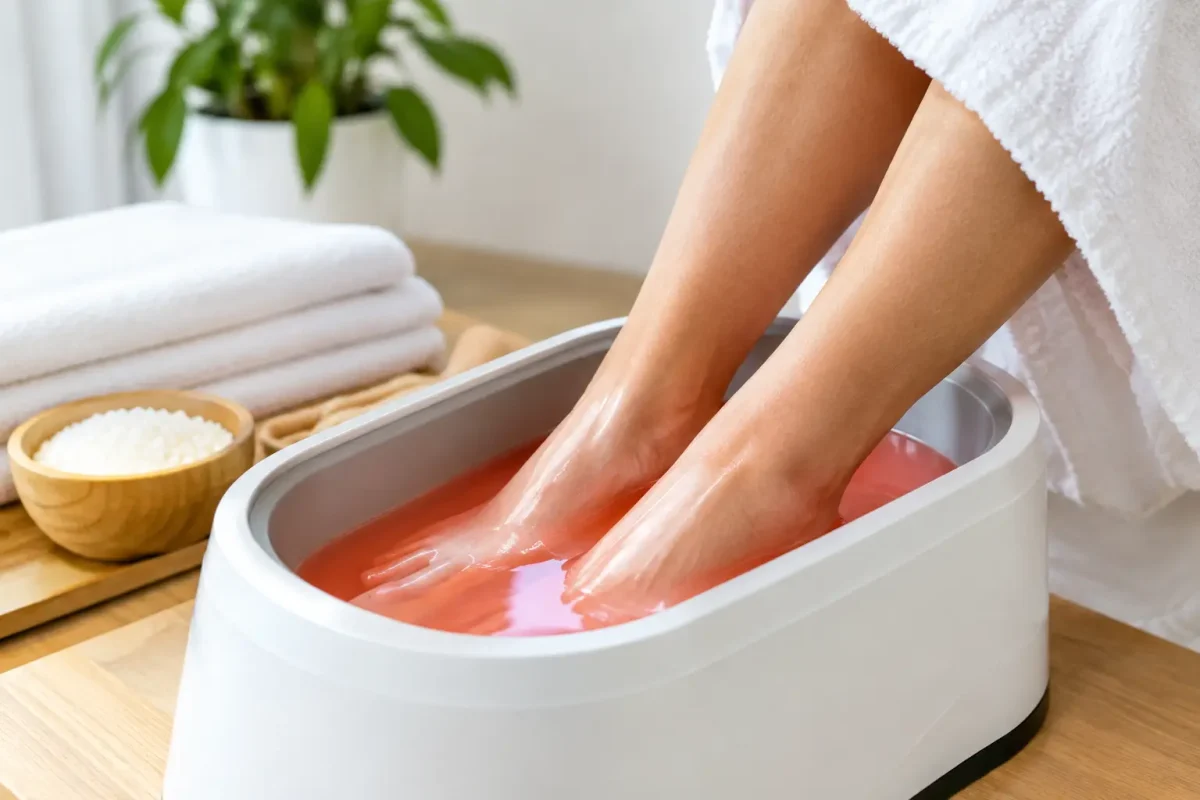
A pair of feet can carry you through a long shift, a Saturday sport session, the school run and every errand in between. When they feel stiff, dry, achy or sensitive, simple movement can become harder than it should be. Paraffin therapy is a gentle warm-wax treatment that can help soothe tired feet and hands, soften rough skin and make movement feel more comfortable.
At Comfort Feet Podiatry Group, paraffin wax therapy may be used as part of a broader treatment plan for people managing stiffness, dry skin or ongoing lower-limb discomfort. It is not a replacement for finding the cause of pain, but it can be a valuable supportive treatment when used for the right person at the right time.
What is paraffin therapy?
Paraffin therapy involves dipping the feet, hands or another suitable area into comfortably warm, melted paraffin wax. The wax is then allowed to sit against the skin for several minutes, usually beneath a protective covering, before it is gently removed.
The warmth is gradual rather than intense. As the wax cools, it holds heat around the area, which may help ease the feeling of stiffness in muscles and joints. It also leaves the skin noticeably softer, making it particularly useful for feet affected by dryness, callus-prone areas or rough heels.
For many people, the experience is relaxing. More importantly, it can help prepare stiff feet or ankles for hands-on treatment, mobility exercises or everyday activity.
How paraffin wax therapy may help your feet
Feet are exposed to constant pressure, friction and temperature changes. Closed work shoes, sports footwear, long hours standing and reduced circulation can all contribute to dry skin, soreness and restricted movement. Warm wax therapy is designed to provide comfort in a controlled clinical setting.
Easing stiffness and aching
Heat can help muscles and soft tissues feel more relaxed. For people whose feet or ankles feel particularly stiff after rest, colder weather or a demanding day on their feet, paraffin therapy may provide short-term relief and make movement easier.
This can be helpful alongside rehabilitation for certain musculoskeletal presentations, including stiffness following an injury or reduced ankle and foot mobility. However, the benefit depends on the underlying issue. Persistent heel pain, for example, may involve plantar fasciitis, nerve irritation, footwear factors or altered biomechanics. Warm wax may feel soothing, but it does not correct the cause on its own.
Softening dry, rough skin
Dry heels and callused areas can split, catch on socks and become uncomfortable during walking. Paraffin wax creates an occlusive layer while it is in contact with the skin, helping the skin retain moisture. After treatment, rough areas can feel smoother and more comfortable.
This is especially useful before appropriate podiatry skin care. It should not be treated as a home solution for deep heel cracks, bleeding skin or infected areas. These problems need clinical assessment to reduce the risk of complications.
Supporting hands-on care and mobility work
When stiffness is limiting movement, a clinician may use warmth before other treatment approaches. Depending on your assessment, this could include joint mobilisation, lower-limb massage, stretching advice, therapeutic ultrasound, custom orthotic planning or a targeted rehabilitation program.
The goal is not simply to make your feet feel better for an hour. It is to help you move with more confidence at work, in sport and around home while addressing the factors that keep symptoms returning.
What happens during a paraffin therapy appointment?
Your podiatrist will first check that paraffin therapy is appropriate for you. The skin is inspected and your symptoms, circulation, sensation and relevant health history are considered. This matters because warm wax is not suitable for every foot problem.
If treatment is suitable, the area is cleaned and dipped into the wax several times to build a light coating. Your foot is then covered to retain warmth while you rest comfortably. After several minutes, the wax is peeled away and the skin is checked.
The process is straightforward and should not be painful. The wax should feel pleasantly warm, not hot or burning. Tell your clinician immediately if you feel discomfort, excessive heat, tingling or any change in sensation.
Who may benefit from paraffin therapy?
Paraffin therapy can suit people who have dry, rough skin and otherwise healthy feet, or those experiencing mild stiffness and aching associated with activity, ageing or cooler conditions. It may also be considered for people with certain arthritic symptoms, provided their circulation and skin health are suitable and there is no acute flare.
It can be particularly appealing if you spend hours standing at work, train regularly, or find that your feet feel tight and uncomfortable by the end of the day. For older adults, warmth and gentle skin care may support comfort and confidence with daily mobility.
The treatment is best viewed as one component of care. If poor foot mechanics, unsupportive shoes, a previous ankle injury or a change in training load is driving your pain, those factors need attention too. A thorough podiatry assessment can identify issues that are easy to miss when you are focused only on where it hurts.
When warm wax is not the right treatment
Paraffin wax therapy should be avoided on broken skin, open wounds, active infections, rashes, ulcers or areas with significant inflammation. It may also be unsuitable for people with impaired sensation, poor circulation or difficulty recognising heat. This includes some people living with diabetes, peripheral neuropathy or vascular disease, although diabetes itself does not automatically rule out treatment.
People with recent injuries need particular care. If an ankle or foot is newly swollen, hot, bruised or sharply painful, heat may aggravate symptoms in the early stage. A sprain, stress injury or tendon problem needs an accurate diagnosis before any soothing treatment is selected.
Fungal skin infections and athlete’s foot also require targeted management rather than wax therapy. Applying wax over affected skin is not an appropriate way to treat an infection and may delay the care you need.
Paraffin therapy versus a pedicure
Although both can leave feet feeling softer, paraffin therapy in a podiatry setting is not simply a cosmetic add-on. Your clinician considers skin integrity, sensation, circulation and the reason your feet are uncomfortable before treatment begins.
A cosmetic treatment may feel pleasant, but it cannot assess whether heel pain is linked to plantar fascia strain, whether numbness suggests nerve involvement, or whether recurring callus points to a pressure issue that may benefit from footwear advice or orthotics. For feet that hurt, crack, change colour, feel numb or limit your activity, clinical assessment is the safer starting point.
Getting more lasting relief from sore feet
Warm wax can provide a welcome reset, but your everyday habits influence how long that comfort lasts. Supportive, correctly fitted shoes, regular moisturising with products recommended for your skin type and gradual activity progression can all make a difference. For athletes and active adults, strength and mobility work may be just as important as short-term symptom relief.
If discomfort keeps returning, do not accept sore feet as the price of staying active or getting through work. A podiatrist can assess how your feet, ankles, calves and knees are working together, then build a treatment plan around your goals.
When your feet need more than a quick soak, choosing care that looks beyond the surface can help you take your next steps with greater comfort and confidence.