
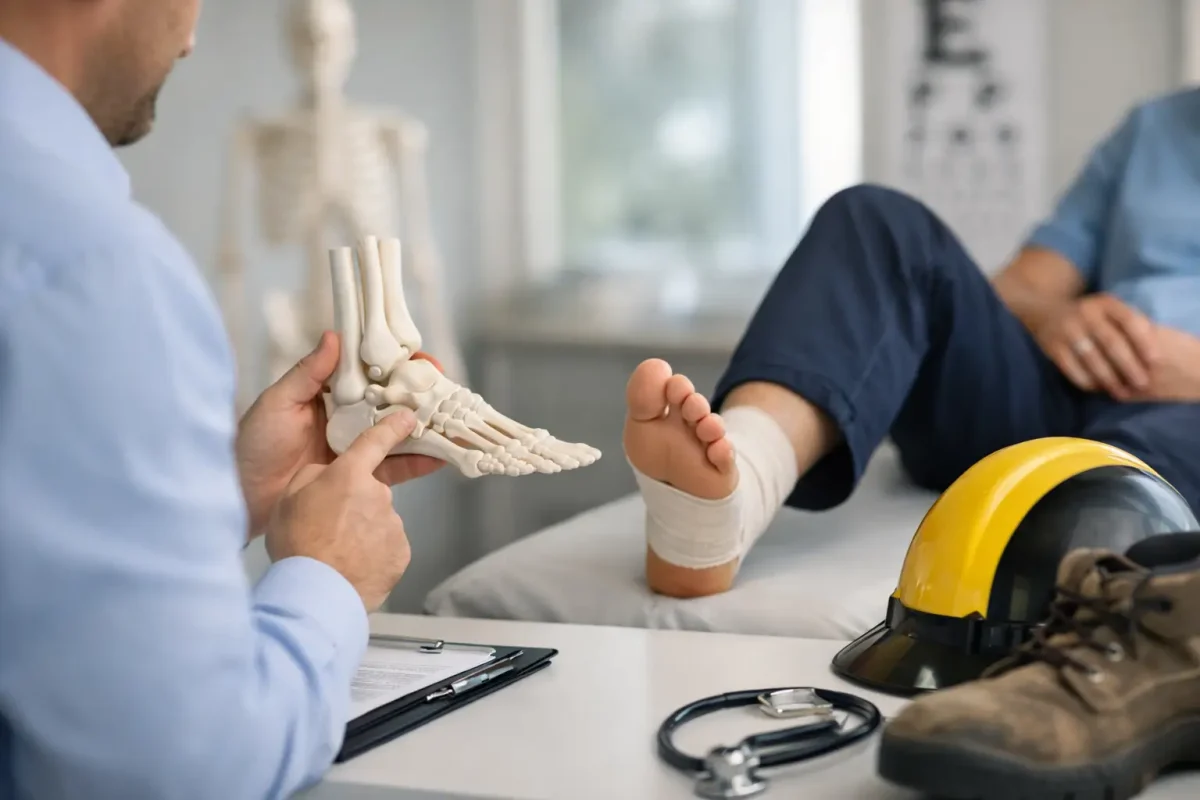
A sore heel after a long shift can quickly become more than an inconvenience. When every step at work aggravates foot, ankle, knee or lower-limb pain, early assessment can help prevent a manageable injury becoming a longer absence from the things you need and enjoy. For people managing WorkSafe podiatry claims Melbourne, the priority is clear: understand the injury, start appropriate care and work towards comfortable, confident movement.
Work-related lower-limb injuries do not look the same for everyone. A warehouse worker may develop plantar heel pain after months on concrete floors, while a nurse, teacher, tradie or retail worker may be struggling with ankle pain, shin splints or forefoot overload from prolonged standing and repeated walking. A single incident, such as a trip, twist or falling object, can also lead to pain that changes the way you walk – and may then place strain on the calf, knee, hip or back.
When a WorkSafe podiatry claim may help
A WorkSafe claim pathway may be relevant when your foot or lower-limb condition was caused, worsened or significantly contributed to by your work. Eligibility and approval are determined by WorkSafe Victoria and the relevant insurer, not by your podiatrist. However, podiatry assessment and treatment may form part of an approved recovery plan where it is considered reasonable and necessary for your workplace injury.
This can include conditions affecting the feet, ankles, calves and knees, particularly where pain is limiting your ability to stand, walk, climb stairs, use pedals, wear safety footwear or complete normal duties. Common presentations include plantar fasciitis and heel pain, Achilles tendon pain, metatarsalgia, ankle sprains, stress-related lower-limb pain, shin splints, Morton’s neuroma and injuries associated with slips, trips or repetitive loading.
The timing matters. It is tempting to keep pushing through pain, especially when work is busy or you do not want to let your team down. But limping, avoiding pressure through one side of the body or relying on pain relief alone can alter movement patterns and prolong recovery. A clear diagnosis gives you a more useful starting point than simply hoping the pain settles.
What to bring to your podiatry appointment
If you have an accepted WorkSafe claim, bring your claim number, insurer details and any relevant approval or referral information to your appointment. It is also useful to bring medical certificates, reports, imaging results, details of previous treatment and the shoes or work boots you wear most often.
Your treating podiatrist will want to understand what happened, when symptoms began and which tasks trigger pain. Be specific about your role. The demands of climbing ladders, driving, standing at a bench, walking hospital corridors, lifting stock or working on uneven ground can each affect the treatment approach.
If your claim is still being assessed, contact the clinic before booking so the administrative pathway can be discussed. In some circumstances you may need to pay privately until the claim or treatment has been approved. Funding arrangements can vary according to your claim status, the service recommended and the insurer’s decision.
Assessment looks beyond the painful spot
Foot pain is rarely only about the foot. A detailed podiatry assessment considers joint movement, muscle strength, walking pattern, footwear, work demands and the way the rest of the lower limb is responding. This is particularly important after an injury, when the body often compensates to protect a painful area.
For example, persistent heel pain may be linked with calf tightness, reduced ankle movement, a sudden increase in time on your feet or unsuitable work footwear. An ankle injury may leave a person with reduced balance and confidence on uneven surfaces long after the initial swelling has improved. Pain under the forefoot may relate to repetitive load, foot mechanics and the pressure created by safety boots.
At Comfort Feet Podiatry Group, assessment can include 3D biomechanics analysis where clinically appropriate. This provides a closer look at how your feet and lower limbs move during walking and helps identify loading patterns that may be contributing to ongoing symptoms. The goal is not to chase a quick fix. It is to identify what is holding recovery back and build a plan that supports your real day-to-day movement.
Treatment should match your injury and job
There is no single treatment for every workplace injury. The most effective plan depends on the diagnosis, tissue involved, symptom duration, physical demands of your role and the stage of recovery. Some people need hands-on pain relief and a short period of load reduction; others need progressive rehabilitation to safely regain strength, mobility and work tolerance.
Treatment may involve targeted exercises, joint and soft-tissue therapy, neuromuscular rehabilitation, therapeutic ultrasound, dry needling, lower-limb sports massage or shockwave therapy for suitable chronic tendon or heel conditions. Your podiatrist may also recommend changes to footwear, lacing techniques, temporary padding or offloading, and advice about managing walking and standing demands outside work.
Custom orthotics can be useful when they are clinically indicated to improve foot function, reduce pressure on injured tissues or support return to activity. They are not the answer to every foot problem, and they work best when paired with a broader rehabilitation plan. Whether orthotics or other therapeutic products are covered under a WorkSafe claim depends on approval and individual clinical circumstances.
Returning to work is part of rehabilitation
A successful recovery is not always about waiting until you have no pain whatsoever. It is often about building capacity in a measured way, so you can tolerate the activities your job requires without a significant flare-up. This may involve graduated duties, limits on prolonged standing or walking, more regular movement breaks, changes to lifting tasks or temporary adjustments to footwear requirements where practical.
Your podiatrist can provide clinical information to support communication with your GP, employer, insurer and other treating practitioners. If your injury has affected more than one area, coordinated care with osteopathy or exercise physiology may be helpful. This whole lower-limb view is valuable when a foot injury has led to calf tightness, knee pain or altered movement confidence.
Progress is rarely perfectly linear. Some discomfort during rehabilitation can be expected, particularly when rebuilding strength after a period of reduced activity. Sharp pain, increasing swelling, numbness, colour changes, new instability or symptoms that are worsening rather than settling should be reviewed promptly.
Practical steps while you wait for treatment
Small choices between appointments can make a genuine difference. Wear supportive, task-appropriate footwear that fits properly and is in good condition. If your safety boots are worn down, excessively rigid or causing pressure over a painful area, raise this during your assessment rather than simply tolerating it.
Avoid suddenly increasing walking, exercise or overtime shifts when the injury is already aggravated. Keep moving within the limits advised by your treating team, as complete rest for extended periods can reduce strength and make return to activity harder. If swelling is present after an acute injury, follow the advice given by your clinician or GP about protection, elevation and appropriate activity.
Keep a simple record of what aggravates and eases symptoms. Note the work tasks involved, how long you were on your feet and whether pain changes during or after a shift. This gives your podiatrist practical information to refine treatment and helps ensure recommendations are relevant to your work rather than generic.
Clear care, focused on movement
A workplace injury can affect far more than your roster. It can make family walks, sport, errands and even getting out of bed feel difficult. The right podiatry care should address the pain in front of you while helping you rebuild the strength, confidence and movement needed for the life you want outside work too.
If foot, ankle or lower-limb pain is getting in the way of your job or recovery, arrange an assessment and bring your WorkSafe details with you. A considered treatment plan can give you a clearer path back to safer movement, comfortable workdays and an active life.