
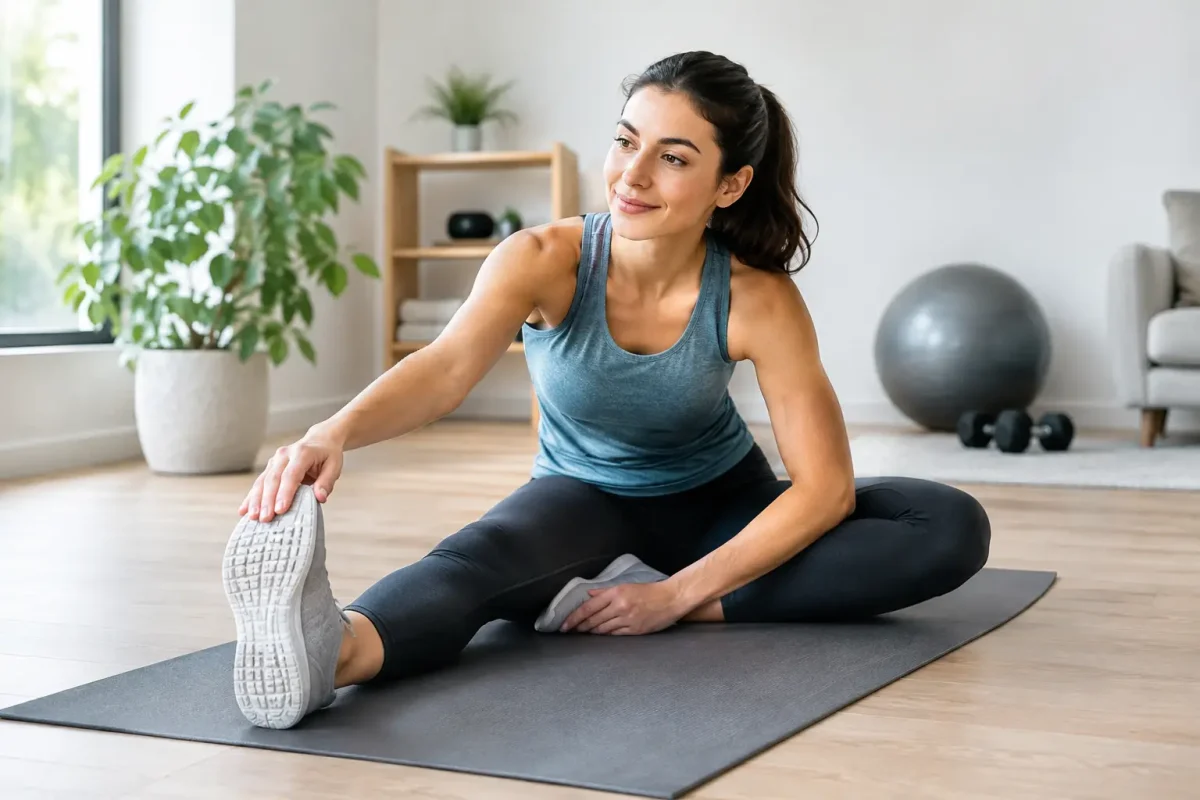
A sore heel on the first few steps out of bed, tight calves halfway through a run, or an ankle that keeps rolling on uneven ground are not always isolated problems. They can be early signs that the way your feet and lower limbs are loading needs attention. Effective injury prevention is not about avoiding activity. It is about helping your body tolerate the movement demands of work, sport, family life and the activities you enjoy.
For Melbourne adults juggling long days on their feet, weekend sport or a return to exercise after injury, small changes made early can prevent a manageable niggle becoming a condition that limits mobility. The right approach looks beyond the painful spot and considers how your feet, ankles, calves, knees and hips work together.
Why injury prevention starts from the ground up
Your feet are the foundation of every step. They absorb impact, adapt to the ground and help transfer force through the ankles, knees, hips and lower back. If that foundation is painful, weak, stiff or poorly supported for your needs, another part of the body may compensate.
This does not mean flat feet, high arches or pronation automatically cause an injury. Foot shape is only one piece of the picture. Training volume, footwear, muscle strength, previous injury, recovery, work demands and the surface you move on all matter. The aim is not to make every foot look or move the same. It is to understand whether your body can manage what you ask it to do.
A retail worker standing on concrete, a parent restarting netball, and a runner increasing their kilometres will each need a different plan. A thorough assessment can identify restricted ankle motion, reduced calf capacity, poor balance, changes in gait or footwear issues that may be increasing strain. This is where a hands-on podiatry assessment and, where appropriate, 3D biomechanics analysis can provide useful direction rather than guesswork.
The load problem behind many lower-limb injuries
Many overuse injuries happen when activity increases faster than the tissues can adapt. Plantar fasciitis, Achilles pain, shin splints, knee pain and stress-related bone injuries can all be influenced by this mismatch between load and capacity.
Load is not just exercise. It includes standing shifts, stairs, walking the dog, gardening, carrying children and time spent in unsupportive shoes. Capacity is your current ability to handle those demands, shaped by strength, sleep, nutrition, recovery, mobility and injury history.
The answer is rarely to stop moving altogether. Complete rest may settle symptoms temporarily, but it can also reduce strength and confidence. Instead, it is often more helpful to modify the activity that aggravates pain while maintaining safe movement. For example, a runner with early shin pain may temporarily reduce distance, avoid hills and add cycling or swimming while building calf and hip strength. The correct adjustment depends on the diagnosis, the severity of symptoms and the person’s goals.
Pain that persists, worsens, causes limping or changes how you walk should be assessed promptly. Continuing to push through can turn a short recovery into a long interruption to work or sport.
Practical injury prevention habits that make a difference
Progress activity with patience
A new gym program, social sport season or holiday walking plan can feel motivating enough to do too much too soon. Give your body time to adapt. Increase one variable at a time, such as distance, intensity, hills or training frequency, rather than lifting everything at once.
There is no perfect percentage increase for every person. Someone returning after a stress injury or long break needs a more conservative progression than an experienced athlete with a strong training base. If soreness is mild and settles quickly, your plan may be appropriate. If pain escalates during activity, lingers into the next day or affects normal walking, reduce the load and seek professional advice.
Build strength, not just flexibility
Flexible muscles are useful, but flexibility alone does not create a resilient lower limb. Calf strength helps control forces through the foot and Achilles tendon. Strong hips and thighs help manage knee position and single-leg loading. Foot muscles and balance contribute to stable, confident movement.
A well-designed rehabilitation program may include calf raises, controlled single-leg exercises, balance work and sport-specific drills. The best exercises depend on your condition and starting point. For a person with an irritated Achilles tendon, aggressive stretching may not be the priority. For someone with recurrent ankle sprains, balance and neuromuscular rehabilitation may be more valuable than simply wearing a brace forever.
Choose footwear for the job you do
Shoes do not need to be the newest or most expensive model to be suitable. They do need to fit properly, suit the activity and provide adequate support and cushioning for your individual needs. A shoe that works well for short errands may not be appropriate for an eight-hour shift, trail walking or high-impact court sport.
Check for uneven wear, compressed cushioning, a loose heel counter or a sole that has lost grip. These are signs your footwear may no longer be doing its job. If you regularly experience pain in specific shoes, do not assume you need to tolerate it or simply size up. A podiatry assessment can help determine whether fit, footwear style, foot mechanics or another condition is the main issue.
Respect previous injuries
An old ankle sprain that was never properly rehabilitated can affect balance and joint control years later. Likewise, recurring heel pain, shin pain or knee discomfort may signal that the original driver was not fully addressed.
Past injuries deserve more than a quick return to activity once swelling settles. Rehabilitation should restore movement, strength, confidence and the ability to cope with the demands that led to injury in the first place. For athletes, this may include hopping, cutting, landing and acceleration drills. For older adults, it may focus on safe walking, stair control and balance to reduce falls risk.
When orthotics and treatment can help
Custom orthotics are not required for every ache, and they are not a replacement for rehabilitation. However, they can be an effective part of injury prevention and pain management when they improve comfort, redistribute pressure or support a foot that is struggling with its current workload.
An orthotic prescription should be based on an assessment of your symptoms, footwear, foot posture, gait and goals. A tradie spending long days in work boots has different requirements from a footballer or a person managing arthritis. The device also needs to fit the shoes you actually wear, otherwise even a well-made orthotic may spend more time in a drawer than under your feet.
Depending on the condition, a treatment plan may also include manual therapy, lower-limb sports massage, therapeutic ultrasound, dry needling, shockwave therapy or targeted exercises. These options are used to support recovery and improve function, not as a shortcut around the underlying cause. The most durable outcomes usually come from combining symptom relief with changes that build capacity over time.
Early assessment can keep you active
You do not need to wait until pain becomes severe to seek help. Early assessment is particularly worthwhile if you have repeated ankle sprains, pain that returns whenever you increase activity, numbness or burning in the forefoot, persistent heel pain, or discomfort affecting work and sleep.
Children should also be assessed when foot or leg pain limits play, when they frequently trip, or when changes in walking are noticeable. Growing bodies are adaptable, but persistent symptoms should not be dismissed as something they will automatically grow out of.
At Comfort Feet Podiatry Group, injury management and prevention considers the whole lower limb, with practical treatment plans designed around the life you want to return to. That may mean getting through a shift without limping, finishing a fun run, keeping up with grandchildren or simply walking without thinking about every step.
Your body gives useful feedback long before it forces you to stop. Listen to the recurring niggle, adjust the load early and get clear guidance when pain is changing how you move. The goal is not cautious living – it is confident movement for the long term.