
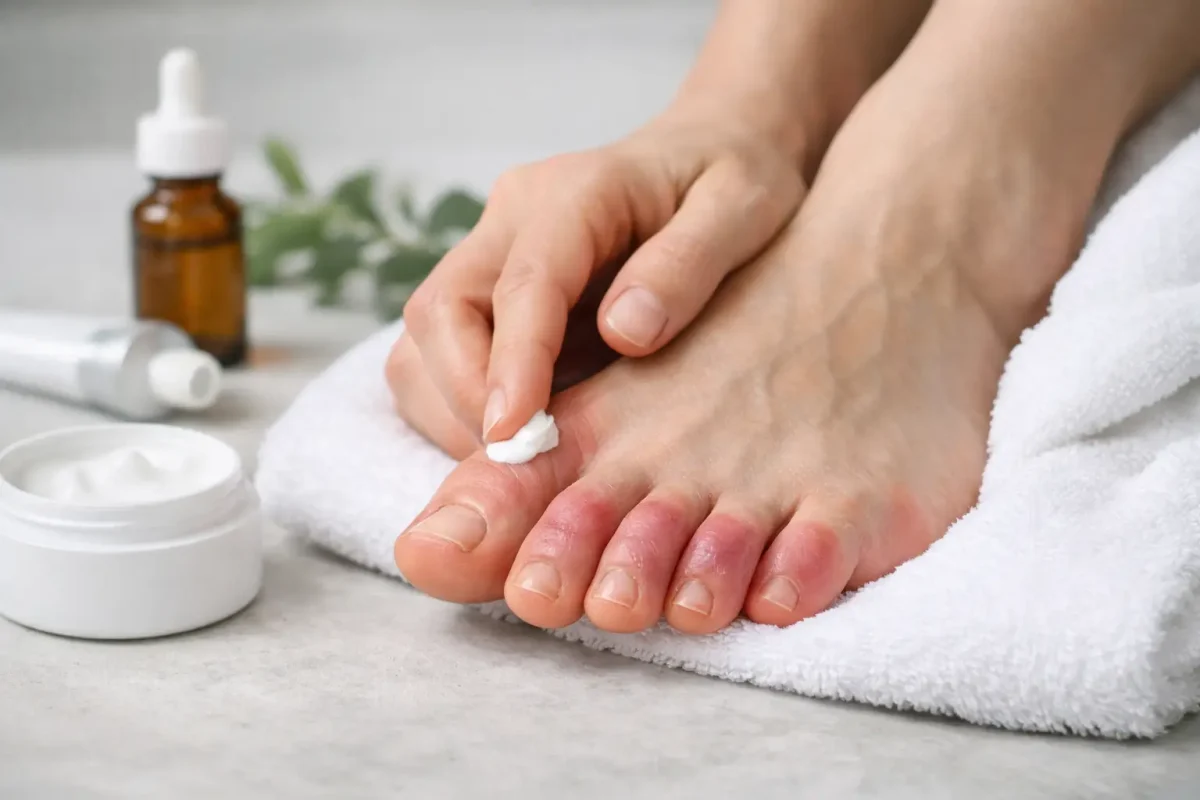
That familiar Melbourne winter combination of cold mornings, damp shoes and a warm heater can leave toes red, itchy and unexpectedly painful. Chilblains treatment on feet is not about heating your skin as quickly as possible. It is about helping damaged small blood vessels recover, protecting the skin and reducing the chance of the problem returning each time the temperature drops.
Chilblains, also called perniosis, are inflamed patches of skin that develop after exposure to cold and then rapid rewarming. They most often affect toes, the forefoot and heels, although fingers and ears can be involved too. The discomfort can make walking, wearing work shoes or getting back to sport feel far harder than it should.
Recognising chilblains on your feet
Chilblains usually appear within hours of being cold, or the day after. The area may look red, purple, blue or darker than your usual skin tone. It can itch intensely, burn or feel tender when pressure is placed through the foot. Mild swelling is common, and some people develop small blisters or cracked skin.
They are different from simple cold feet because the symptoms persist after you are warm. They can also be mistaken for athlete’s foot, dermatitis, a bacterial skin infection, circulation problems or an inflammatory condition. That distinction matters. Applying the wrong cream, ignoring an infection or repeatedly exposing vulnerable skin to cold can turn a manageable issue into weeks of pain.
People with poor circulation, diabetes, Raynaud’s phenomenon, autoimmune conditions or reduced sensation in their feet need to be particularly careful. Smoking and some medicines can also affect circulation. Chilblains are common in otherwise healthy people, but recurrent or severe episodes deserve a proper assessment rather than being dismissed as a winter nuisance.
Chilblains treatment on feet starts with gentle warming
The first goal is to bring your feet back to a comfortable temperature slowly. Sudden heat can make the inflammation worse because the small vessels expand rapidly after constricting in the cold. That is why placing freezing toes directly against a heater, hot-water bottle, electric blanket or very hot bath is a poor idea – even if it feels tempting.
Instead, remove damp socks and shoes, dry your feet carefully and put on loose, dry socks. Warm the whole body with layers, a warm drink and gentle movement around the house if comfortable. The aim is steady warmth, not a dramatic temperature change.
Try not to scratch. Chilblain skin can be fragile, and broken skin creates a pathway for infection. If itching is severe, a pharmacist or podiatrist can advise whether a suitable topical treatment may help. Do not apply medicated creams to open, blistered or weeping areas without professional advice.
Practical care at home
For mild chilblains without broken skin, the following measures can settle symptoms and protect your feet while they heal:
- Keep feet warm and dry with breathable socks, changing them promptly if they become sweaty or damp.
- Choose footwear with enough room for warm socks and natural toe movement, rather than tight shoes that restrict circulation.
- Use fragrance-free moisturiser on intact, dry skin to reduce cracking, but avoid leaving heavy product between the toes where moisture can build up.
- Raise your feet when resting if they are swollen, and limit long periods standing in cold, wet conditions where possible.
- Check your toes each day for blisters, cracks, colour changes or signs that the skin is not improving.
Pain relief may be appropriate for some people, but it depends on your health history and other medicines. A pharmacist, GP or podiatrist can help you choose an option that is safe for you. The same applies to creams marketed for itchy skin: they may soothe symptoms, but they do not address every possible cause of red, irritated toes.
What a podiatrist can assess and treat
A podiatry assessment looks beyond the visible patch of skin. Your clinician can check circulation, temperature, sensation, footwear pressure and the way you load your feet when walking. This is particularly useful if one area is repeatedly affected, if you stand for long shifts, or if your sport keeps you training in wet and cold conditions.
Treatment may include careful skin and wound care, advice on appropriate topical treatments, padding or footwear changes to reduce pressure, and a prevention plan matched to your work and activity. If symptoms suggest an infection, vascular concern or an underlying medical condition, timely referral to a GP or relevant specialist may be recommended.
For people whose feet are frequently cold because of lower-limb stiffness, altered walking patterns or reduced activity after an injury, the broader picture matters too. Improving comfortable movement, shoe fit and lower-limb function can support everyday circulation and help you stay active through winter. It is not a substitute for medical investigation where needed, but it can be part of a durable plan.
When chilblains need urgent attention
Do not wait for a routine appointment if you have spreading redness, increasing warmth, pus, fever, red streaks, significant swelling or worsening pain. These can be signs of infection. Seek prompt medical care for darkening or black skin, an ulcer that is not healing, sudden severe colour change, or a foot that becomes numb, pale or unusually cold.
People with diabetes, peripheral arterial disease, neuropathy or immune suppression should arrange assessment early, even when the skin change seems minor. Reduced feeling in the feet can mask the seriousness of a blister or crack, while impaired circulation can slow healing.
It is also worth getting checked if chilblains keep returning despite sensible warming and footwear changes, occur in warm weather, or are accompanied by symptoms elsewhere in the body such as joint pain, rashes or marked fatigue. Recurrent chilblains can occasionally be associated with an underlying condition that needs medical management.
Preventing the next flare-up
Prevention works best before your toes are cold. Dress from the feet up on wet winter days: dry, insulating socks; properly fitted enclosed shoes or boots; and a spare pair of socks in your work bag or car can make a real difference. If shoes are soaked through, change them as soon as practical rather than spending the afternoon in damp footwear.
Avoid swinging between extremes. Pre-warm shoes away from direct heat, put socks on before leaving a warm house and allow cold feet to warm gradually when you come inside. A short walk or gentle ankle movements can help circulation, but do not push through pain or exercise on blistered, broken skin.
If you work outdoors, commute on foot, play winter sport or spend long shifts standing, your footwear needs may be more specific. A roomy, weather-appropriate shoe can keep heat in without compressing the toes. Some people need help finding the right fit where bunions, high arches, flat feet or swelling make standard winter footwear uncomfortable.
For Melbourne patients dealing with persistent chilblains or painful skin changes, Comfort Feet Podiatry Group can assess the skin, circulation and footwear factors involved, then create a practical treatment pathway that protects your mobility. Your feet do a great deal for your work, family life and active routine – giving them early care can keep a cold-weather flare-up from setting the pace of your winter.