
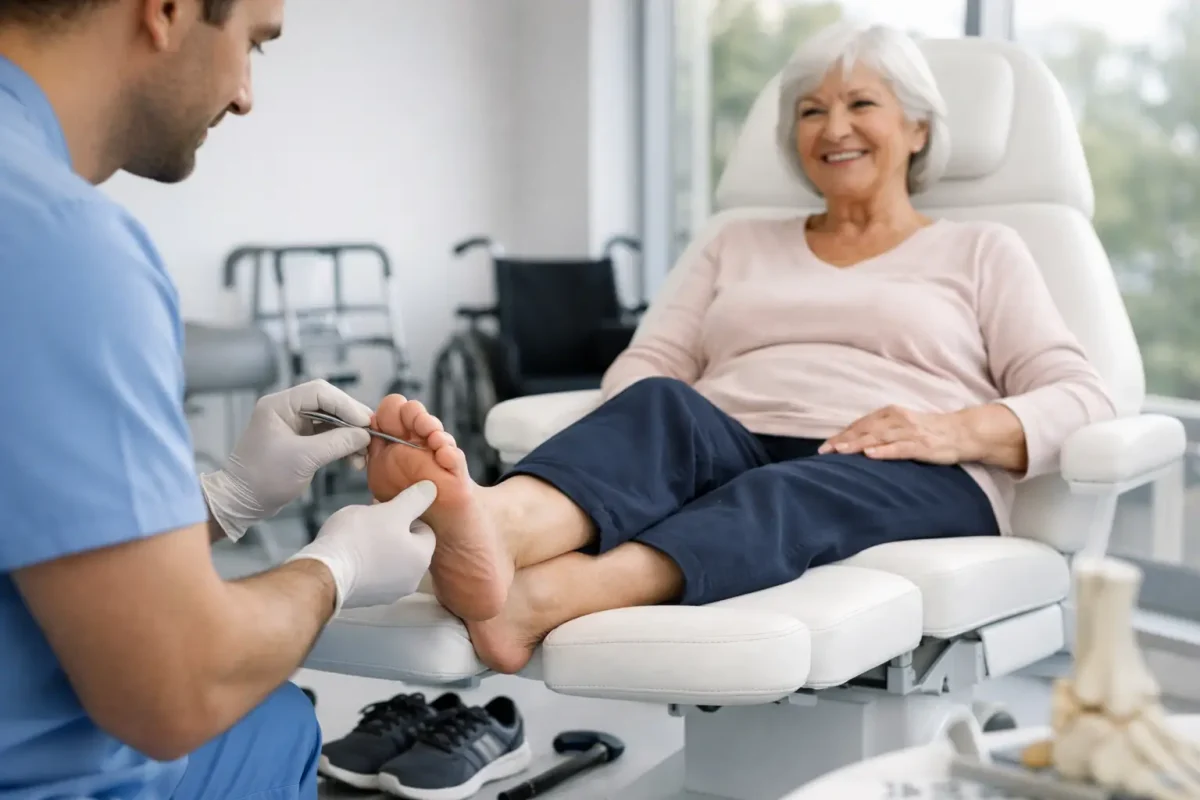
When foot pain, poor balance or difficulty walking starts limiting trips to the shops, time with family or the confidence to leave home, it can affect far more than your feet. NDIS podiatry services Melbourne participants can access may help address the lower-limb issues that stand between them and safer, more independent movement.
Podiatry is not only about cutting nails or treating a sore heel. For many people living with disability, thoughtful foot and lower-limb care can be an important part of maintaining mobility, reducing preventable problems and staying involved in everyday life. The right plan starts with understanding how your feet, ankles, muscles, joints and footwear are affecting the way you move.
When NDIS podiatry support may be appropriate
NDIS funding may cover podiatry where the support is related to your disability and meets the reasonable and necessary criteria in your plan. Whether it is funded, and from which part of your budget, depends on your individual circumstances, goals and plan arrangements. It is worth checking with your plan manager, support coordinator or the team assisting with your NDIS plan before starting treatment.
Podiatry care may be relevant if disability affects your balance, gait, sensation, muscle control, joint movement or ability to manage foot care safely. It can also be valuable where reduced mobility has led to painful pressure areas, recurring skin or nail concerns, unstable ankles, falls risk or difficulty finding supportive footwear.
A podiatrist can assess the practical problems behind the symptom. For example, a recurring callus may be caused by altered walking patterns and pressure through one part of the foot. A painful knee may be influenced by flat feet, muscle weakness or poor control at the ankle. Treating only what hurts can provide temporary relief; identifying the cause can create a more useful path towards lasting movement.
What an NDIS podiatry appointment can involve
Your first appointment should feel like a conversation about your life as well as a clinical assessment. A podiatrist will ask about your diagnosis, current supports, pain levels, falls, footwear, daily routines and the activities that matter to you. That might be walking safely from the car park to work, standing long enough to prepare meals, keeping up with children or returning to a local sport.
The assessment may include looking at skin and nail health, circulation, sensation, joint range, strength, balance and the way you walk. Where appropriate, more detailed tools such as 3D biomechanics analysis can show how the feet, ankles, knees and hips are working together during movement.
This assessment matters because two people with the same diagnosis may need very different care. One person may primarily need regular clinical foot care because they cannot safely reach or manage their feet. Another may need rehabilitation for weak calf muscles and unstable ankles. Someone else may benefit from footwear advice and custom orthotics to improve comfort and walking tolerance.
Your treatment plan should be clear, practical and linked to your goals. It may include a single appointment for a specific concern, regular care to manage ongoing risk, or a staged rehabilitation program. The frequency of appointments depends on the condition, your capacity to complete care at home and how your symptoms respond.
Clinical foot care for comfort and safety
Reduced flexibility, tremor, vision changes, altered sensation or difficulty using hands can make everyday foot care challenging. Clinical podiatry may help manage thickened nails, corns, calluses, cracked heels, fungal nail concerns, athlete’s foot and ingrown toenails.
These issues are sometimes dismissed as minor, but they can change the way a person walks and make shoes painful to wear. For people with reduced sensation or circulation concerns, early attention is particularly important. A small area of rubbing can become much harder to manage if it is not noticed quickly.
Pain, walking and lower-limb rehabilitation
Heel pain, plantar fasciitis, shin pain, ankle pain, Morton’s neuroma and knee discomfort can all reduce confidence with movement. A podiatry treatment plan may combine hands-on care with exercise guidance, neuromuscular rehabilitation, lower-limb sports massage, therapeutic ultrasound or shockwave therapy when clinically suitable.
No treatment is automatically right for every person. Shockwave therapy, for instance, may be useful for certain persistent tendon and heel pain presentations, but it is not a substitute for a proper diagnosis, load management and a realistic rehabilitation plan. The aim is not simply to settle pain for a few days. It is to build more comfortable, more reliable movement over time.
Orthotics, footwear and pressure management
Custom orthotics may be recommended when foot posture, uneven loading or joint mechanics are contributing to pain or instability. They can help redistribute pressure, support particular areas of the foot and improve comfort in appropriate footwear. However, orthotics work best when they are part of a broader plan that considers strength, mobility, footwear and activity demands.
Footwear is often overlooked. A shoe that is too narrow, too loose, worn down or difficult to put on can increase falls risk and create pressure points. A podiatrist can assess fit, stability, sole wear and fastening options, then provide practical advice that suits your daily routine rather than offering a one-size-fits-all recommendation.
Preparing for your appointment
Bring your NDIS details, relevant plan information and any referral or reports you have been given. If you use a mobility aid, orthosis or specialised footwear, bring it along too. Your podiatrist needs to see how all the pieces work together.
It also helps to bring the shoes you wear most often, including any shoes used for work, exercise or walking outdoors. If pain varies through the day, make a note of when it starts, what makes it worse and what provides relief. These details can reveal patterns that are not obvious during a short appointment.
If a family member, support worker or carer helps with your daily routines, they may be useful to have at the appointment with your consent. They can help explain practical challenges and understand the treatment recommendations, particularly when home exercises, skin checks or footwear changes are involved.
Getting the most from your NDIS-funded care
The strongest treatment plans are goal-led. Rather than simply saying you want less pain, identify what less pain would allow you to do. You may want to walk around the block without stopping, transfer more comfortably, wear shoes without rubbing, reduce the risk of falls or manage personal care with less assistance.
Progress is not always linear. Long-standing pain, neurological conditions, changes in activity and other health concerns can affect results. A good podiatry team will adjust the plan as your needs change, explain what is realistic and communicate clearly with your broader care team where appropriate.
At Comfort Feet Podiatry Group, care can bring together detailed lower-limb assessment, hands-on treatment and rehabilitation strategies to support better movement. Where a condition requires a wider approach, collaboration with allied health professionals can help keep mobility goals at the centre of care.
Choosing a podiatrist in Melbourne
Look for a clinic that understands both the clinical and practical sides of disability support. You should feel heard, not rushed through a standard appointment. Ask whether the team can assess gait and balance, manage complex foot-care needs, provide rehabilitation and advise on orthotics or footwear if required.
Convenience also matters. A clinic location that is accessible from home, work or regular support services can make ongoing care easier to maintain. Before booking, confirm appointment availability, payment arrangements and whether the clinic can work with your preferred NDIS management method.
Painful feet should not quietly shrink your world. The right podiatry support can help turn everyday movement into something that feels safer, more comfortable and more achievable – one confident step at a time.