
A sore heel that returns every morning, a knee that aches after a run, or an ankle that never quite feels steady can all have one thing in common: the way your body moves. 3D gait analysis Melbourne services look beyond the painful spot to assess what happens through your feet, ankles, knees, hips and lower back with every step.
For many people, pain is not caused by one dramatic incident. It builds gradually as the body repeatedly compensates for reduced joint movement, muscle weakness, poor control or an uneven loading pattern. A detailed movement assessment can reveal these patterns and help turn vague, recurring symptoms into a clear treatment plan.
What is 3D gait analysis?
Gait is simply the way you walk or run. It involves a rapid sequence of movements: your heel contacts the ground, your body moves over your foot, and you push off to take the next step. When one part of this sequence is restricted or overloaded, another area often has to work harder.
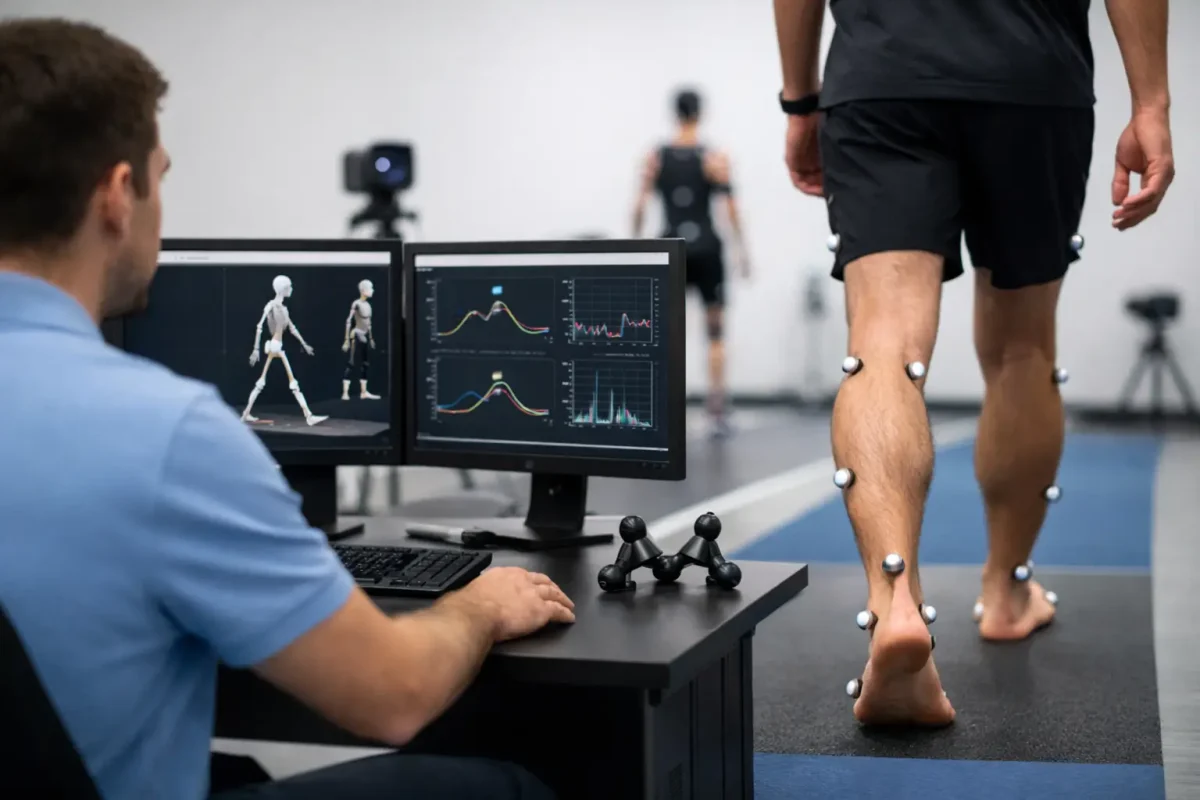
3D gait analysis uses advanced biomechanics technology to measure movement in multiple directions, rather than relying only on what can be seen with the naked eye. It may assess joint angles, foot position, pressure distribution, stride characteristics, timing and how forces travel through the lower limb.
The result is a more detailed picture of your movement. Instead of being told only that you overpronate or have flat feet, you can understand whether your foot rolls inward at a particular point in your stride, whether your calf is limiting ankle movement, or whether your knee is rotating in a way that may be contributing to pain.
At Comfort Feet Podiatry Group, this information is considered alongside a hands-on clinical assessment, your medical history, footwear, work demands and activity goals. Technology provides valuable data, but it does not replace the clinical judgement needed to identify the most likely cause of your symptoms.
Why a detailed gait assessment matters
Two people can have the same diagnosis and need very different care. For example, plantar fasciitis may be linked to tight calves and high loading through the heel in one person, while another may be placing strain on the plantar fascia because of poor foot stability and a sudden increase in walking or running.
The same applies to shin splints, Achilles tendon pain, forefoot pain and knee discomfort. Treating only the area that hurts may bring short-term relief, but it may not change the movement pattern that keeps aggravating the tissue.
A 3D assessment can help identify whether symptoms may be influenced by factors such as:
- reduced ankle range of motion or calf tightness
- instability through the foot and ankle
- excessive loading on one side of the body
- poor control at the knee, hip or pelvis
- changes in walking or running technique following an injury.
These findings are not a diagnosis on their own. They are clues that help your podiatrist connect your symptoms with the way you move, then select treatment that is appropriate for your body and lifestyle.
Who can benefit from 3D gait analysis in Melbourne?
You do not need to be an elite athlete to benefit from a biomechanics assessment. Melbourne workers who spend long shifts standing, parents chasing after children, regular gym-goers and older adults concerned about balance can all develop lower-limb issues that affect daily life.
It can be particularly useful if pain keeps returning despite rest, stretching or changing shoes. It may also help when you have had an injury and are unsure whether you have returned to normal movement, or when you are considering custom orthotics and want a more personalised basis for treatment.
Runners and active people
Running places repeated force through the feet and lower limbs. Small changes in technique, training volume, terrain or footwear can become significant over thousands of steps. If you are managing shin pain, Achilles discomfort, heel pain, knee pain or recurrent ankle sprains, gait analysis can help identify movement factors worth addressing in rehabilitation.
That does not mean every runner needs orthotics or a complete technique overhaul. Sometimes the priority is improving calf strength, adjusting training load or allowing an irritated tendon enough time to settle. The best plan depends on the assessment findings and your goals, whether that is completing a fun run, returning to local sport or simply walking without pain.
People on their feet for work
Hospital staff, retail workers, tradies, teachers and hospitality workers often put up with foot pain because standing and walking are part of the job. However, ongoing heel pain, aching arches or tired legs should not be accepted as normal.
A gait assessment can show how your lower limbs respond to long periods on hard surfaces and whether support, strengthening, footwear advice or treatment for an underlying condition may help. For people with WorkSafe Victoria claims, clear clinical assessment can also support a structured rehabilitation approach focused on safe, sustainable return to work.
Children, older adults and people rebuilding mobility
Children’s gait changes as they grow, so assessment must consider development as well as symptoms. Persistent pain, frequent tripping, toe walking or difficulty keeping up with peers may warrant a podiatry assessment, particularly when it affects confidence in play or sport.
For older adults, the focus may be different. Reduced foot sensation, arthritis, previous falls and muscle weakness can all affect walking confidence. A detailed assessment may help guide exercise, footwear and foot-care recommendations that support safer, more independent movement. Patients using NDIS, TAC or DVA pathways may also benefit from a plan tailored to their functional needs.
What happens during an assessment?
Your appointment starts with your story. Your podiatrist will ask where and when pain occurs, what activities bring it on, how long it has been present and what treatment you have already tried. They may also discuss your work, sport, footwear, previous injuries and health conditions.
The clinical examination usually includes checking joint range of motion, muscle strength, tenderness, foot posture and balance. You may be asked to walk, run or perform functional movements while the 3D biomechanics system captures relevant data. Wear comfortable clothing that lets you move easily, and bring your most commonly worn shoes or running shoes if they are relevant to your concerns.
Your results should be explained in practical language. The key question is not whether every measurement is perfectly symmetrical. Human bodies are not machines. It is whether a movement pattern is likely to be placing unwanted stress on painful tissue or limiting your ability to move comfortably.
Turning results into a treatment plan
A useful assessment leads somewhere. Depending on your diagnosis, treatment may include hands-on podiatry care, targeted strengthening and mobility exercises, neuromuscular rehabilitation, footwear recommendations, shockwave therapy or therapeutic ultrasound. Where appropriate, custom orthotics can be designed to improve support, redistribute pressure or help control movement that is contributing to pain.
Orthotics are one option, not an automatic outcome of gait analysis. They are most effective when prescribed for a clear reason and integrated with rehabilitation, load management and appropriate footwear. For some conditions, an exercise program and changes to training are more important than an in-shoe device. For others, orthotics may provide the support needed to keep you active while tissues recover.
Your plan should also be reviewed as you improve. A runner returning from injury may need different support and exercise progressions from someone who is on their feet all day at work. The aim is not to make your gait look identical to someone else’s. It is to help you move with less pain, better control and greater confidence.
When should you book an assessment?
Consider booking if foot, ankle, shin, calf, knee or hip pain is stopping you from doing what you enjoy, or if it repeatedly flares when you increase activity. It is also sensible to seek help after a recurring ankle sprain, when you notice a significant change in the way you walk, or when footwear and basic self-care have not made a lasting difference.
Persistent pain is your body asking for attention, not a challenge to push through. Understanding how you move can provide a practical starting point for reducing strain, rebuilding strength and getting back to the walks, workdays, sport and family life that matter to you.