
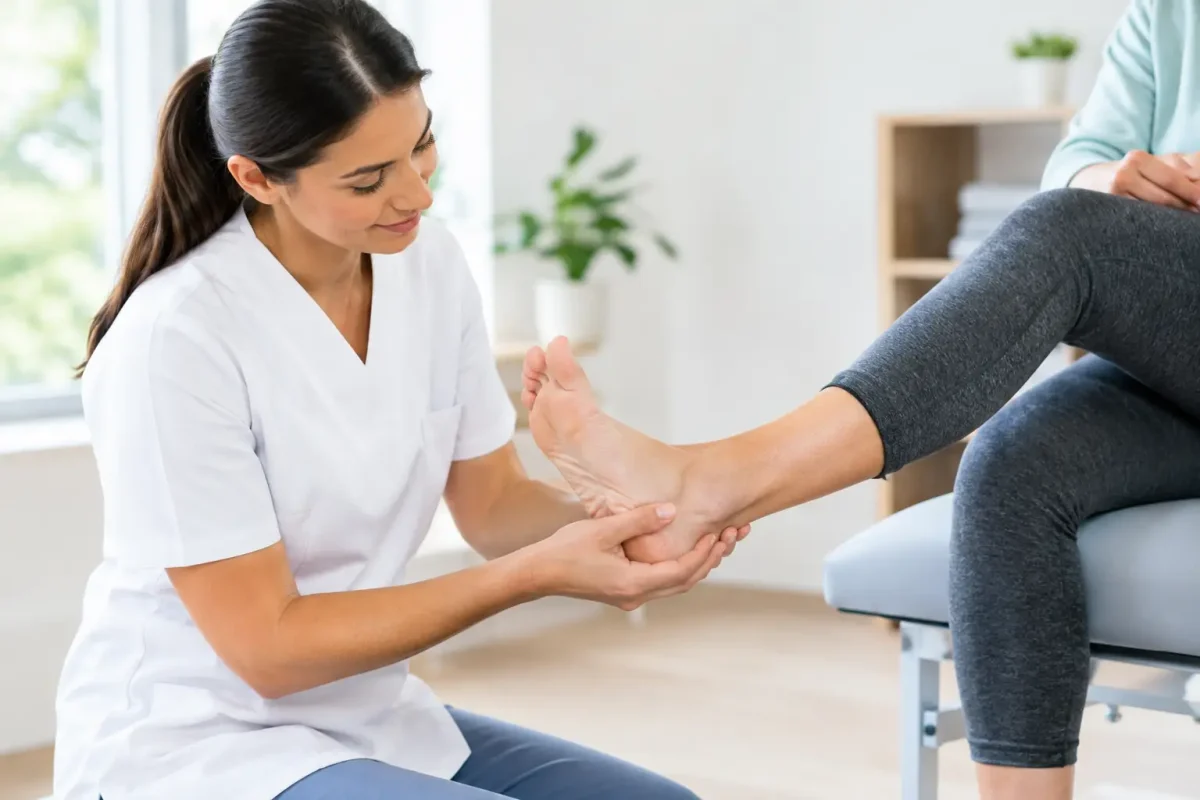
That familiar heel ache when you step out of bed, a toenail that keeps catching in your socks, or an ankle that feels less steady on uneven ground may not stop you today. But small changes in the feet and lower limbs can gradually alter how you walk, train, work and keep up with family life. Preventative podiatry is about identifying those changes early, before they become persistent pain, a repeated injury or a limitation on your mobility.
At Comfort Feet Podiatry Group, prevention is not simply a quick check of your feet. It is a clinical assessment of how your feet, ankles, calves, knees and footwear work together, followed by practical care that supports the way you want to move.
What is preventative podiatry?
Preventative podiatry focuses on reducing your likelihood of developing foot and lower-limb problems, or preventing an existing issue from returning or progressing. It combines routine foot care with assessment of movement, load, footwear and individual health factors.
For some people, this may mean managing thickened nails, corns or calluses before they become painful. For others, it may involve recognising that recurring shin pain is linked to training load, calf tightness or foot mechanics. A child whose feet turn in, an active adult with frequent ankle rolls and an older person who feels unsteady are all different presentations, but each can benefit from early assessment.
The aim is not to treat everyone the same or prescribe orthotics by default. Good preventative care starts by understanding what is normal for you, what has changed and what demands your daily life places on your body.
Why small foot problems can become bigger movement problems
Your feet absorb force with every step. When they are sore, unstable or unable to move well, your body often compensates. You might shorten your stride, shift weight to the other side, avoid hills or stop exercising altogether. Over time, that altered pattern can place extra load on the ankle, calf, knee, hip or lower back.
A painful callus can change the way you push off the ground. Stiff big toes can affect walking and running efficiency. A reduced sense of balance can increase the risk of a fall. These are not always dramatic problems at first, which is exactly why they are often ignored.
Prevention also matters for people who have already had an injury. Once you have experienced plantar fasciitis, an Achilles tendon issue, shin splints or recurrent ankle sprains, returning to the same activity without addressing contributing factors can lead to a frustrating cycle of flare-ups. Rest may settle symptoms temporarily, but it does not always resolve the reason they developed.
Who can benefit from preventative podiatry?
Preventative care is valuable at every stage of life, particularly when your feet are under regular strain or your health needs are changing. You do not need to wait until pain becomes severe to see a podiatrist.
Active adults and athletes
Running, court sports, football, gym training and long weekend walks all ask a lot of the lower limbs. If you notice recurring tight calves, hot spots in your shoes, toenail trauma, persistent blisters or pain that returns whenever your training increases, an assessment can help identify the pattern early.
Training errors are common, but the answer is not always to stop moving. It may be a matter of adjusting load, improving strength and control, reviewing footwear, or using targeted treatment while you build back up. The right plan depends on your sport, goals and injury history.
Workers who spend long hours on their feet
Retail staff, healthcare workers, tradies, hospitality teams and warehouse workers often accept foot pain as part of the job. It should not be. Long shifts on hard surfaces can contribute to heel pain, forefoot pain, swollen feet, corns and nail issues, particularly when footwear does not provide enough support, width or protection.
Preventative podiatry can help you choose footwear that suits your workplace and foot shape, manage early symptoms and improve comfort before pain begins affecting work attendance or the ability to complete a shift.
Children and teenagers
Children’s feet are still developing, and they do not always describe discomfort clearly. Frequent tripping, reluctance to join sport, rapid shoe wear, recurring heel pain or complaints of tired legs are worth investigating. Flat feet can be a normal variation, especially in younger children, but pain, reduced participation or an obvious change in walking pattern should be assessed.
Early guidance may involve footwear advice, activity modifications, exercises or monitoring as your child grows. Intervention is based on symptoms and function, not simply how a foot looks.
Older adults and people managing chronic health conditions
As we age, maintaining foot comfort, circulation, skin integrity and balance becomes central to independence. Reduced flexibility, vision changes, arthritis and poorly fitting shoes can all raise the risk of falls and foot wounds. Diabetes, neurological conditions and circulation concerns require particular attention because reduced sensation or slower healing can mean minor injuries are missed.
Regular foot care and screening can identify pressure areas, skin changes, nail problems and mobility risks before they become more serious. If you are using NDIS, DVA, TAC or WorkSafe Victoria pathways, podiatry may also form part of a broader plan to support safe movement and function.
What happens in a preventative podiatry appointment?
A useful appointment should leave you with more than a general recommendation to wear supportive shoes. Your podiatrist will discuss your symptoms, medical history, work, sport, footwear and goals. They will examine your skin, nails, joints, muscles and circulation where relevant, then assess how you stand, walk or run.
When a more detailed picture is needed, 3D biomechanics analysis can measure movement patterns and loading through the lower limbs. This can be particularly helpful for recurring sports injuries, unexplained pain or decisions around custom orthotics. It is one tool, not a replacement for hands-on clinical assessment and a conversation about what you need to achieve.
Your care plan may include treatment for painful skin or nail conditions, advice on footwear and socks, specific mobility or strengthening exercises, rehabilitation, sports massage, dry needling or therapeutic modalities where clinically appropriate. Custom orthotics can be useful for some people, especially where foot structure or loading contributes to pain, but they work best when paired with a clear plan for movement and footwear.
Prevention is not about avoiding activity
A common misconception is that preventing injury means being overly cautious. In most cases, the goal is the opposite: to give you the confidence and capacity to stay active.
If you have started feeling pain after increasing your running distance, you may need a more gradual progression rather than complete rest. If your work boots are causing forefoot pressure, a different fit or insole strategy may make long shifts more manageable. If you are recovering from an ankle injury, neuromuscular rehabilitation can help retrain balance and control before you return to uneven trails or sport.
There are trade-offs. A shoe with maximum cushioning may feel comfortable but may not suit every activity or provide the stability you need. Orthotics can reduce strain in one area but may take time to adapt to. The best preventative plan is individual, realistic and reviewed as your needs change.
Signs it is time to book an assessment
Do not wait for a problem to become disabling. Consider seeing a podiatrist if pain lasts longer than a week or two, returns when you resume activity, changes the way you walk or makes you avoid movement. Repeated ankle rolling, numbness or burning in the feet, wounds that are slow to heal, ongoing nail concerns and sudden changes in foot shape or swelling also deserve prompt assessment.
For people with diabetes or reduced sensation, even a small cut, blister or area of redness should be checked early. Fast action can protect your feet and prevent a more complex problem.
Build foot health into your routine
The most effective prevention is usually consistent rather than complicated. Check your feet regularly, especially between the toes and around the heels. Replace shoes when the sole is worn unevenly or the support has broken down. Increase new activities gradually, and pay attention to discomfort that persists rather than pushing through it.
Your feet carry you through commutes, workdays, training sessions and the moments that matter at home. Giving them timely care can keep a small issue from setting the limits on your next step.